Chinese Wooden Bookmarks: Craftsmanship, Wood Types & Complete Maintenance Guide
Share
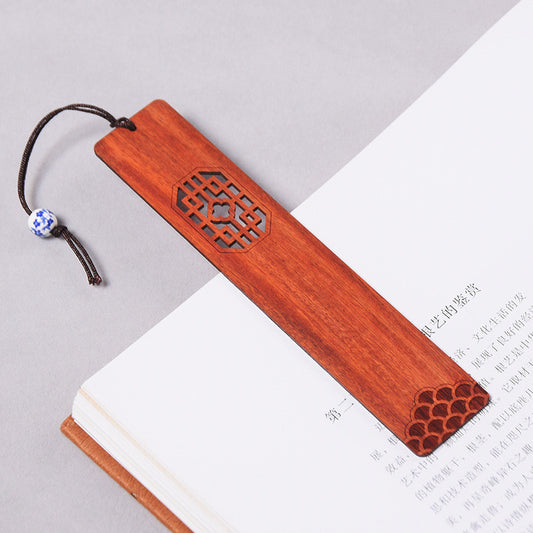
A Chinese wooden bookmark carries the warmth of thousands of years of Eastern culture. It is not only a marker of reading progress but also a miniature presentation of traditional woodworking techniques. This guide analyzes the craftsmanship and maintenance methods of Chinese wooden bookmarks to help you select and use these elegant stationery items.
1. Cultural Heritage of Chinese Wooden Bookmarks
Historical Evolution
- Tang Dynasty Origin: Ancient people marked reading progress with silk or bamboo slips called "toothpicks."
- Song Dynasty Development: Popularization of paper books made bookmarks essential stationery.
- Ming & Qing Dynasty Prosperity: Wooden, jade, and ivory bookmarks became scholars' desk ornaments.
- Modern Inheritance: Fusion of traditional craftsmanship and modern aesthetics for cultural gifting.
Unique Value
- Material Harmony: Wood and paper share plant fiber properties for natural compatibility.
- Craftsmanship Legacy: Carries wood carving and seal engraving traditions.
- Cultural Symbolism: Patterns embody auspicious blessings and scholarly aspirations.
- Collection Potential: Premium wood and exquisite craftsmanship hold appreciating value.
2. Common Wood Types & Characteristics
| Wood Type | Color | Texture | Key Features | Price Range (USD) |
|---|---|---|---|---|
| Red Sandalwood | Deep purple to black | Fine ox-hair grain | Extremely hard, sinkable, stable | $28 - $112 |
| Rosewood | Reddish-brown to purple | Ghost face/tiger stripe patterns | Hard, durable, mild fragrance | $14 - $56 |
| Black Walnut | Chocolate brown to deep purple | Mountain-shaped grain | Stable, high gloss after polishing | $11 - $42 |
| Rosewood (Suanzhi) | Deep red to black | Distinct black stripes | Dense, corrosion-resistant | $8 - $28 |
| Beech Wood | Light yellow to reddish-brown | Straight or wavy grain | Tough, cost-effective | $3 - $11 |
3. Traditional Craftsmanship Analysis
Material Selection Process
- Select knot-free, crack-free premium lumber
- Air-dry or kiln-dry to 8%-12% moisture content
- Cut to design dimensions for blank forming
- Rest 7-15 days to release internal stress
Carving Techniques
- Line Carving: Clean, elegant surface line patterns
- Relief Carving: Raised patterns with strong 3D effect
- Hollow Carving: Translucent designs with high difficulty
- Miniature Carving: Intricate text/patterns requiring master skills
- Intaglio Carving: Recessed patterns ideal for poetry/calligraphy
Sanding & Finishing
- Coarse sanding (180-240 grit): Remove tool marks
- Medium sanding (400-600 grit): Smooth surface
- Fine sanding (800-1200 grit): Refine texture
- Polishing (2000+ grit): Achieve glossy finish
- Final thickness: 0.5-1.0mm to avoid book damage
Surface Treatment
- Waxing: Natural wood wax for protection and shine
- Oiling: Walnut/tung oil to nourish wood
- Lacquering: Clear coat for water/stain resistance
- Aging: Chemical/oxidation treatment for vintage patina
- Raw Finish: Preserve natural wood texture
4. Traditional Patterns & Symbolism
Four Scholarly Arts
- Qin (Zither): Symbolizes artistic refinement
- Qi (Go): Represents wisdom and strategy
- Shu (Calligraphy): Embodies cultural heritage
- Hua (Painting): Displays aesthetic taste
Auspicious Patterns
- Cloud Patterns: Good fortune and harmony
- Meander Patterns: Enduring prosperity
- Ruyi Patterns: Smooth fulfillment of wishes
- Bat Patterns: Abundant blessings (homophone for "fortune")
Plant & Mythical Creature Motifs
- Plum/Orchid/Bamboo/Chrysanthemum: Noble character
- Dragon/Phoenix/Qilin: Authority, luck, and auspiciousness
5. Daily Use & Maintenance
Usage Guidelines
- Handle gently to avoid drops or bending
- Avoid thick book placement to prevent deformation
- Rotate periodically to prevent permanent indentations
- Keep away from liquids and direct sunlight
Cleaning Methods
- Wipe dust with soft dry cloth
- Clean carved crevices with soft brush
- Avoid wet cleaning or chemical detergents
- Dust weekly to maintain cleanliness
Crack Prevention
- Maintain 40%-60% environmental humidity
- Use humidifiers in dry winter months
- Oil with walnut oil every 3-6 months
- Store in sealed bags/wooden boxes when unused
Insect & Mold Protection
- Place camphor balls during storage
- Air periodically to prevent mold
- Avoid bathroom/damp locations
- Inspect regularly for insect damage
Patina Development
- Embrace natural oxidation patina
- Hand-polish gently to accelerate patina formation
- Wear gloves when hands are sweaty
- Flip regularly for even aging
6. Buying Guide & Pitfall Avoidance
Selection Criteria
- Verify wood authenticity to prevent fraud
- Check for smooth, burr-free surfaces
- Inspect clear, continuous carving lines
- Smell for natural wood fragrance (no chemical odors)
- Compare weight for density assessment
Price Reference (USD)
- Entry-Level ($3 - $7): Beech, pine
- Mid-Range ($7 - $21): Black walnut, rosewood
- High-End ($21 - $56): Rosewood, red sandalwood
- Collector's Grade ($56+): Hainan yellow pear, aged sandalwood
Avoiding Scams
- Beware products under $3 (likely veneer/synthetic wood)
- Request certification for premium items
- Purchase from reputable brands/museum stores
- Retain receipts for after-sales support
7. Frequently Asked Questions (FAQ)
Q1: Will wooden bookmarks crack easily?
A1: Properly dried premium wood resists cracking under normal use. Avoid extreme humidity/dryness and maintain regular care.
Q2: What is the ideal thickness for a wooden bookmark?
A2: 0.5-0.8mm is optimal. Thinner pieces break easily; thicker ones hinder book closure.
Q3: Can wooden bookmarks get wet?
A3: Avoid water contact. If wet, blot immediately and air-dry in shade—never use heat or sunlight.
Q4: How to verify genuine wood?
A4: Check natural grain, authentic fragrance, appropriate weight, and request certification if needed.
Q5: What if the tassel breaks?
A5: Replace with aftermarket accessories or contact seller for repair; choose high-quality silk tassels for durability.
Conclusion
Chinese wooden bookmarks represent the perfect fusion of traditional craftsmanship and modern life. Key considerations include understanding wood varieties, evaluating craftsmanship quality, practicing proper maintenance, using mindfully, and appreciating the gradual patina development. A fine wooden bookmark is more than a reading tool—it is a cultural artifact that accompanies your reading journey, developing unique character over time.