Why Do Brass Bookmarks Oxidize and Discolor?
Share
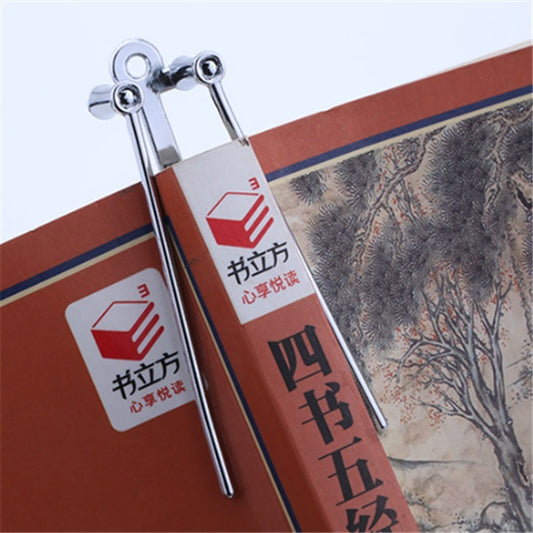
Brass Chinese bookmarks are beloved for their unique metallic luster and cultural charm. However, brass naturally oxidizes and tarnishes, losing its original shine. This complete guide explains how to correctly clean, polish, and protect brass bookmarks, restoring them to a like-new glow and preventing future discoloration.
1. Why Brass Bookmarks Tarnish & Oxidize
Main Causes of Oxidation
- Air exposure: Brass reacts with oxygen, forming a dull oxide layer.
- Humidity: Moist environments speed up oxidation and create green patina (verdigris).
- Skin contact: Sweat contains acids that corrode the brass surface.
- Chemical exposure: Perfume, lotions, and harsh cleaners accelerate tarnish.
- Neglect: Infrequent cleaning allows the oxide layer to thicken over time.
- Poor storage: Improper sealing lets air and moisture reach the metal.
Stages of Oxidation
- Initial dullness: Faded shine, slight darkening of the surface.
- Moderate tarnish: Brown or black spots appear across the surface.
- Severe oxidation: Overall darkening, complete loss of metallic luster.
- Green patina: Corrosive verdigris forms in consistently damp conditions.
- Base corrosion: Advanced oxidation damages the brass structure.
- Irreversible damage: Extreme tarnish cannot be fully restored.
2. Daily Cleaning & Maintenance Methods
Light Weekly Cleaning
-
Dry Cloth Wipe
Materials: Soft dry cloth or microfiber cloth.
Method: Gently wipe surface dust.
Note: Use light pressure to avoid scratches.
Frequency: 1–2 times weekly.
Best for: Preventing dust buildup and slowing oxidation. -
Damp Cloth Clean
Materials: Slightly damp soft cloth + dry finishing cloth.
Method: Wipe gently, then dry immediately.
Note: Never use a soaking wet cloth.
Frequency: Every 2 weeks.
Best for: Removing fingerprints and light surface grime. -
Special Polishing Cloth
Materials: Silver polish cloth or dedicated brass polishing cloth.
Method: Buff the surface gently.
Note: Replace cloth when it turns black.
Frequency: Monthly.
Best for: Removing light oxidation and restoring shine.
Monthly Deep Cleaning
-
Mild Detergent Wash
Materials: Warm water + neutral soap + soft cloth.
Method: Dilute soap, wipe gently, rinse, and dry immediately.
Frequency: Monthly.
Best for: Removing oil residue and stubborn surface dirt. -
Alcohol Wipe
Materials: 75% isopropyl alcohol + cotton swab or soft cloth.
Method: Swab surface, then dry quickly.
Frequency: Monthly.
Best for: Disinfecting and removing oily fingerprints.
3. DIY Home Polishing Methods
Toothpaste Polishing
- Materials: Non-gel white toothpaste, soft cloth/brush, warm water, dry cloth.
- Steps: Apply small amount, rub in circular motions for 2–3 minutes, rinse, dry thoroughly.
- Notes: Avoid gel toothpaste; use light pressure; rinse all residue.
- Best for: Light to moderate oxidation.
- Shine recovery: 80–90%; lasts 1–2 months.
Baking Soda Polish
- Materials: Baking soda, lemon juice (2:1 ratio), soft cloth, warm water.
- Steps: Mix into paste, rub gently for 3–5 minutes, rinse, dry completely.
- Notes: Slightly abrasive—use care on detailed engravings; rinse all acid residue.
- Best for: Moderate oxidation.
- Shine recovery: 85–95%; lasts 2–3 months.
Lemon & Salt Polish
- Materials: Fresh lemon, fine table salt, soft cloth, warm water.
- Steps: Mix lemon juice + salt, rub bookmark gently, rinse, dry thoroughly.
- Notes: Citric acid is corrosive—minimize contact time; use fine salt only.
- Best for: Moderate oxidation; eco-friendly option.
- Shine recovery: 85–95%; lasts 2–3 months.
Vinegar & Flour Paste
- Materials: White vinegar, flour (1:1 ratio), soft cloth, warm water.
- Steps: Mix into paste, apply, leave 10–15 minutes, wipe, rinse, dry.
- Notes: Avoid oversoaking; ensure complete rinsing of acid.
- Best for: Moderate to heavy oxidation.
- Shine recovery: 90–95%; lasts 2–4 months.
4. Professional Cleaning Product Recommendations
Brass-Specific Cleaners
- Types: Liquid sprays, polishing creams, soak solutions, protective waxes.
- Usage: Read instructions, wear gloves, apply, buff, rinse, dry, apply wax for protection.
- Top Brands: Brasso, Twinkle, Hagerty, Lvsan, Blue Moon.
- Price Range: $4–$14 per bottle.
- Notes: Test on hidden areas first; use in ventilated spaces.
Ultrasonic Cleaners
- Best for: Complex hollow designs, hard-to-reach crevices, bulk cleaning.
- Usage: Add water/cleaning solution, submerge bookmark, run 3–5 minutes, dry, polish.
- Notes: Not suitable for bookmarks with inlaid stones or delicate components.
- Price Range: $28–$70.
5. Removing Severe Oxidation & Green Patina
Severe Oxidation Treatment
-
Acid Polishing Solution
Materials: Professional brass acid polish (diluted 1:1 with water).
Method: Brief 1–2 minute soak, rinse thoroughly, dry, polish.
Notes: Wear gloves; keep contact minimal; risk of over-etching details. -
Fine Sanding & Buffing
Materials: 2000+ grit sandpaper + metal polishing compound.
Method: Lightly sand tarnish, then buff to shine.
Notes: Extreme care needed; only for heavily damaged pieces; may alter original finish.
Green Patina (Verdigris) Removal
-
Specialized Patina Remover
Materials: Commercial verdigris cleaner.
Method: Apply, let sit as directed, wipe, rinse, dry.
Notes: Use with ventilation and gloves; follow instructions exactly. -
Vinegar & Salt Soak
Materials: White vinegar + salt solution.
Method: 30-minute soak, rinse thoroughly, dry, polish.
Notes: Only for light patina; control soak time to prevent damage.
6. Post-Polishing Protection Methods
Apply Protective Wax
- Options: Brass-specific wax, car wax, clear nail polish (emergency).
- Method: Ensure surface is clean/dry, apply thin coat, cure 5–10 minutes, buff to shine.
- Benefits: Blocks air/moisture, preserves shine, prevents tarnish for 2–6 months.
Proper Storage
- Use: Airtight bag/box with silica gel desiccant.
- Conditions: Cool, dry, dark place; avoid sunlight and humidity.
- Rules: Store individually to prevent scratches; inspect periodically.
Long-Term Usage Habits
- Handle with clean hands or gloves to avoid sweat contact.
- Wipe dry immediately after use.
- Avoid contact with perfume, lotion, and household cleaners.
- Control environmental humidity and temperature.
7. Frequently Asked Questions (FAQ)
Q1: How often should I clean my brass bookmark?
A1: Weekly light dry wipe, monthly deep clean, and polishing every 2–3 months. Adjust based on usage frequency and humidity.
Q2: Can I use steel wool or abrasive scrubbers?
A2: Never. Steel wool and harsh abrasives will permanently scratch the brass surface. Always use soft cloths or gentle brushes.
Q3: Should I remove all oxidation?
A3: Light natural patina can be preserved for a vintage look. Only remove heavy tarnish or green corrosion that damages the metal.
Q4: Why does my bookmark tarnish quickly after cleaning?
A4: Brass naturally reacts with air. Apply protective wax after polishing and store properly to slow re-tarnishing.
Q5: How to clean gold-plated brass bookmarks?
A5: Use extra-gentle methods. Avoid all acids and abrasives; use a dedicated gold polishing cloth only to preserve the plating.
Conclusion
Brass bookmarks require simple regular care to maintain their elegant shine. With daily maintenance, DIY polishing techniques, and proper post-care protection, you can keep your brass bookmarks bright, beautiful, and free from damaging oxidation for years to come.