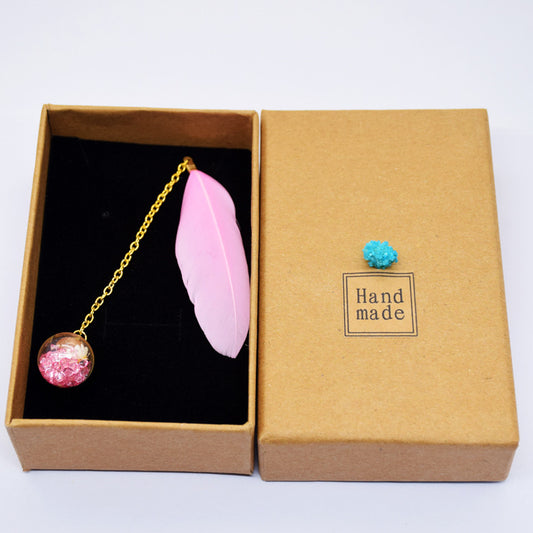
Will a Thick Bookmark Damage the Book Spine? A Must-Read Thickness Guide for Book Lovers
Share
If you've ever slipped a chunky metal bookmark into your favorite novel and noticed the cover bowing outward, you're not imagining things. Bookmark thickness is one of the most overlooked factors in book care — and getting it wrong can cause permanent damage.
The Short Answer
Yes. A bookmark thicker than 1.5mm will deform the book spine and prevent pages from closing completely if used long-term. The safe threshold for most books is under 1mm.
Why Bookmark Thickness Matters More Than You Think
Most readers focus on a bookmark's design, material, or price — but thickness is the single most critical factor for book health. When an overly thick bookmark is left inside a book, a chain reaction begins:
- The book cannot fully close, leaving a permanent gap between pages.
- The spine endures constant outward tension, gradually loosening the adhesive binding.
- The front and back covers warp, especially on hardcover editions.
- Inner pages develop crease marks pressed by the bookmark's edges.
Modern perfect-bound paperbacks are especially vulnerable because their spines rely entirely on a thin layer of hot glue — continuous pressure accelerates delamination.
Bookmark Thickness Reference Table
| Bookmark Type | Typical Thickness | Risk Level | Verdict |
|---|---|---|---|
| Paper / cardstock bookmark | 0.1 – 0.3mm | None | ✅ Ideal |
| Ribbon bookmark (built-in) | 0.3 – 0.5mm | None | ✅ Ideal |
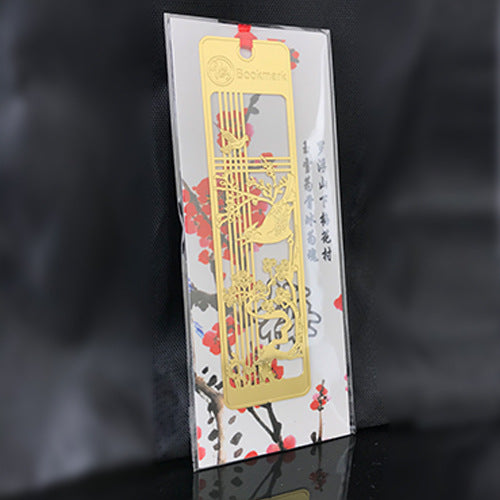
| Ultra-thin metal bookmark | 0.5 – 1.0mm | Low | ✅ Acceptable |
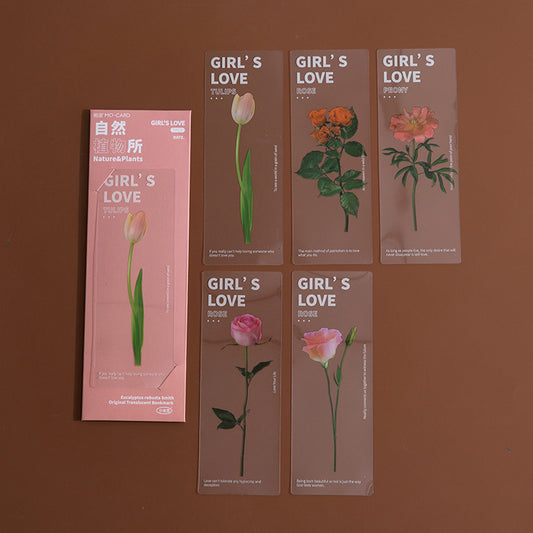
| Clear plastic / acrylic bookmark | 0.5 – 1.2mm | Low | ✅ Acceptable |
| Standard metal bookmark | 1.0 – 1.5mm | Medium | ⚠️ Use with caution |
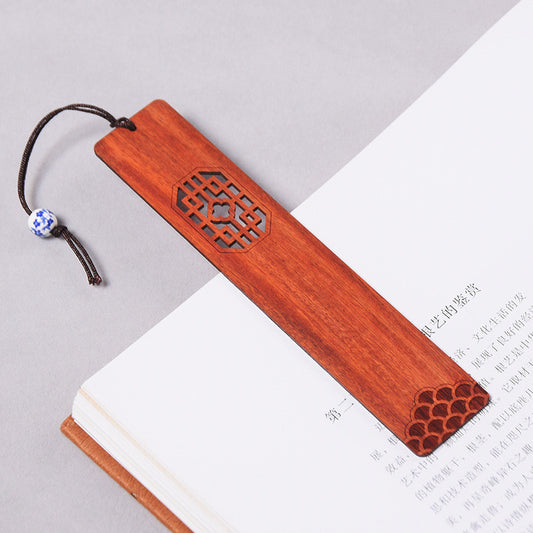
| Wooden bookmark | 2.0 – 4.0mm | High | ❌ Avoid |
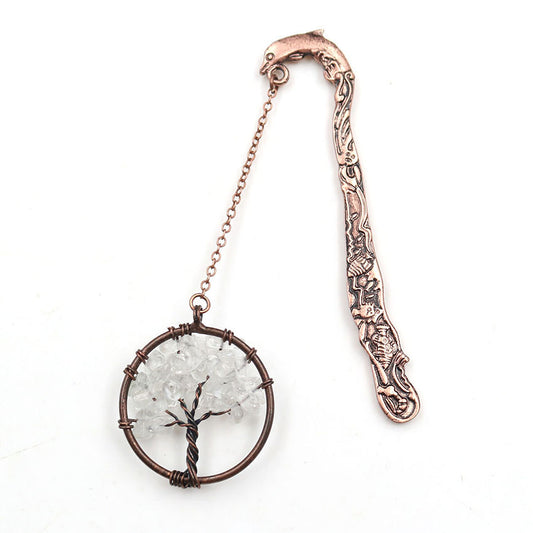
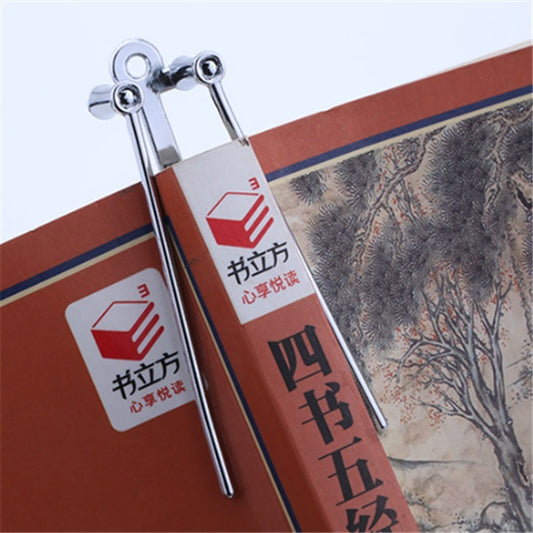
| Metal bookmark with pendant / charm | 2.0mm+ | High | ❌ Avoid |
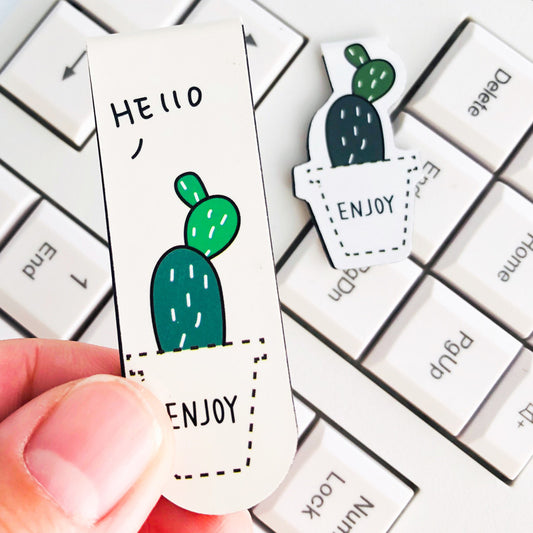
| Magnetic double-sided bookmark | 3.0mm+ (clamped) | Very High | ❌ Avoid |
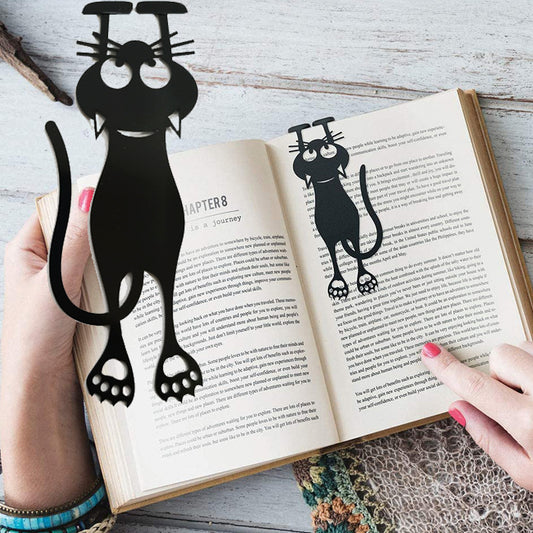
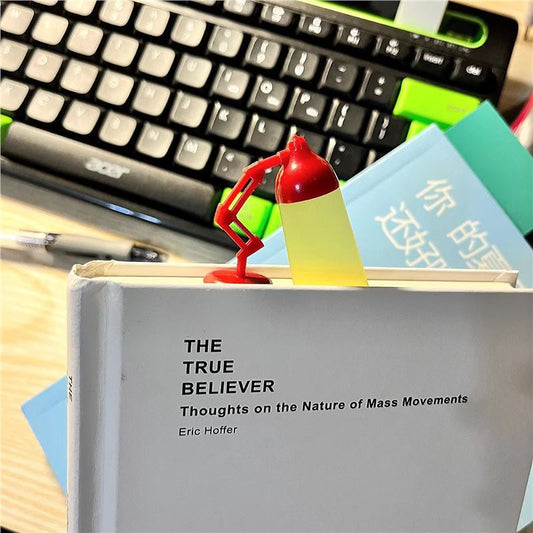
| 3D / sculptural bookmark | Varies (bulky) | Very High | ❌ Avoid |
What Real Book Lovers Are Saying
Feedback from readers across book communities consistently echoes the same concern:
- "Too thick and it will ruin the book spine."
- "This will destroy most books."
- "Metal bookmarks look nice, but the book won't close after a few days."
These aren't exaggerations. The adhesive structure of a perfect-bound spine weakens progressively under sustained pressure — damage that is often irreversible.
How to Choose the Right Bookmark
✅ Recommended Options
- Traditional paper bookmarks: Ultra-thin, acid-free options are ideal for valuable or rare books.
- Ribbon bookmarks: Often sewn into hardcover books — the gold standard for spine safety.
- Ultra-thin metal bookmarks (≤1mm): Elegant and safe when thickness is controlled at the manufacturing stage.
- Clear plastic bookmarks: Durable, lightweight, and sufficiently thin for everyday use.
❌ Options to Avoid
- Thick metal bookmarks with pendants or charms: The decorative elements add bulk that presses into pages.
- Wooden bookmarks: Typically 2–4mm thick with rigid edges that score page surfaces.
- 3D sculptural bookmarks: Decorative protrusions leave permanent indentations.
- Magnetic double-sided bookmarks: The clamping force damages both pages and the spine simultaneously.
Best Practices for Using Any Bookmark
- Position matters: Place the bookmark in the center of the page spread, not pressed against the spine.
- Remove after reading: Don't leave any bookmark inside a closed book for extended periods.
- One bookmark only: Never stack multiple items between pages.
- Extra care for hardcovers: Their covers appear sturdy but the internal spine is often more fragile than paperbacks.
- Rare books: Use only acid-free paper bookmarks — no metal, no plastic.
Frequently Asked Questions
Are metal bookmarks always bad for books?
No — not all metal bookmarks are harmful. Ultra-thin metal bookmarks in the 0.5–1.0mm range are generally safe for most books. The key is to avoid any metal bookmark thicker than 1.5mm, especially those with decorative pendants or charms that add extra bulk.
How long does it take for a thick bookmark to damage a book spine?
It depends on the bookmark's thickness and the book's binding type. A bookmark over 1.5mm can cause visible deformation within 2–4 weeks in a perfect-bound paperback. Hardcover books may show warping of the boards even sooner due to the rigid cover structure.
Can a warped or damaged book spine be repaired?
Minor warping can sometimes be corrected by pressing the book under heavy weight for several days. However, severe spine delamination or permanent page creasing is usually irreversible. Prevention is always more effective than restoration.
What is the maximum safe bookmark thickness?
The widely accepted guideline among book conservators and avid readers is no more than 1mm for everyday use. Bookmarks between 1.0–1.5mm carry moderate risk and should be used only for short reading sessions. Anything above 1.5mm should be avoided entirely for books you want to preserve.
Do wooden bookmarks damage books?
Yes, in most cases. Wooden bookmarks typically range from 2–4mm in thickness and have rigid, sometimes rough edges that can score page surfaces and stress the spine. They are better suited as decorative items than functional reading tools.
Are magnetic bookmarks safe for books?
Magnetic double-sided bookmarks pose a dual risk: their combined thickness when clamped (often 3mm+) stresses the spine, and the magnetic clamping force can damage delicate pages, especially in older or thinner paper books. They are not recommended for books you wish to preserve.
What type of bookmark is best for rare or antique books?
For rare, antique, or collectible books, use only acid-free paper bookmarks that are 0.1–0.3mm thick. Avoid all metal, plastic, and wooden options. Ribbon bookmarks sewn into the binding are also acceptable if already present.
Does bookmark placement inside the book matter?
Yes. Placing a bookmark near the spine concentrates pressure on the binding adhesive and accelerates damage. Always position your bookmark toward the center or outer edge of the page spread to distribute pressure more evenly.